Industry overview →
Industry overview →
Industry overview →
Industry overview →
Flow Assurance
Prevents deposits and maintains flowability of hydrocarbons from reservoir to processing facility.
Asset Integrity
Protects equipment from corrosion, microbial attack, and dissolved gases that degrade pipelines and vessels.
Water Management
Treats and manages produced water for safe disposal or reinjection, meeting environmental compliance requirements.
Product Maximization
Enhances oil recovery, separation efficiency, and output quality across production and processing operations.
Gas Treatment
Glycol and amine solutions for gas dehydration, hydrate inhibition, and acid gas removal — with dedicated bulk logistics.
Raw Water Treatment
Coagulants, flocculants, disinfectants, and conditioning chemicals for municipal and industrial raw water intake and clarification.
Process Water Treatment
Treatment chemicals for cooling systems, boilers, RO membranes, ion exchange, and thermal desalination across power, refinery, and petrochemical operations.
Wastewater Treatment
Coagulants, flocculants, and specialty chemicals for industrial and municipal effluent treatment and discharge compliance.
Liquid Chlorine Indonesia
High-purity liquid chlorine supplied nationwide in cylinders, ton containers, and bulk tankers for water disinfection, industrial processing, and chemical manufacturing.
Lubricant
Finished lubricant products — distributed in partnership with Fuchs Lubricants.
Food Grade Lubricant Automators
Lubricant Additives
Performance additive components for formulating industrial, automotive, and specialty lubricants.
Base Oils
High-quality base stocks for lubricant formulation, from mineral to synthetic grades.
Projects

B40 was not the problem. Uncontrolled filter blocking was.

A tug boat operator serving the mining industry was facing rapid fuel filter plugging after switching to B40 biodiesel blend operation. Filters that should have protected the engine became a recurring bottleneck, lasting only 6 days before heavy sludge forced replacement.

Customer Tug boat fleet operator
Application B40 marine fuel
Before treatment Filter change at day 6
After treatment Final change at day 32

A blocked filter is not just a maintenance item. It is a vessel availability problem.

The customer operates a large tug boat fleet supporting mining logistics. In this type of service, engine reliability is tied directly to vessel availability, towing schedule, crew planning, and fuel system confidence.

With B40 fuel, filters were loading with heavy dark sludge within 6 days. Each replacement created downtime, consumable waste, manual intervention in the engine room, and risk of unstable fuel flow if filter condition deteriorated during operation.

The goal was not only to extend filter life. The real target was cleaner fuel handling, more predictable maintenance windows, and stronger confidence that the tug boat could maintain power when it was needed.

The filter told the story better than a lab number.
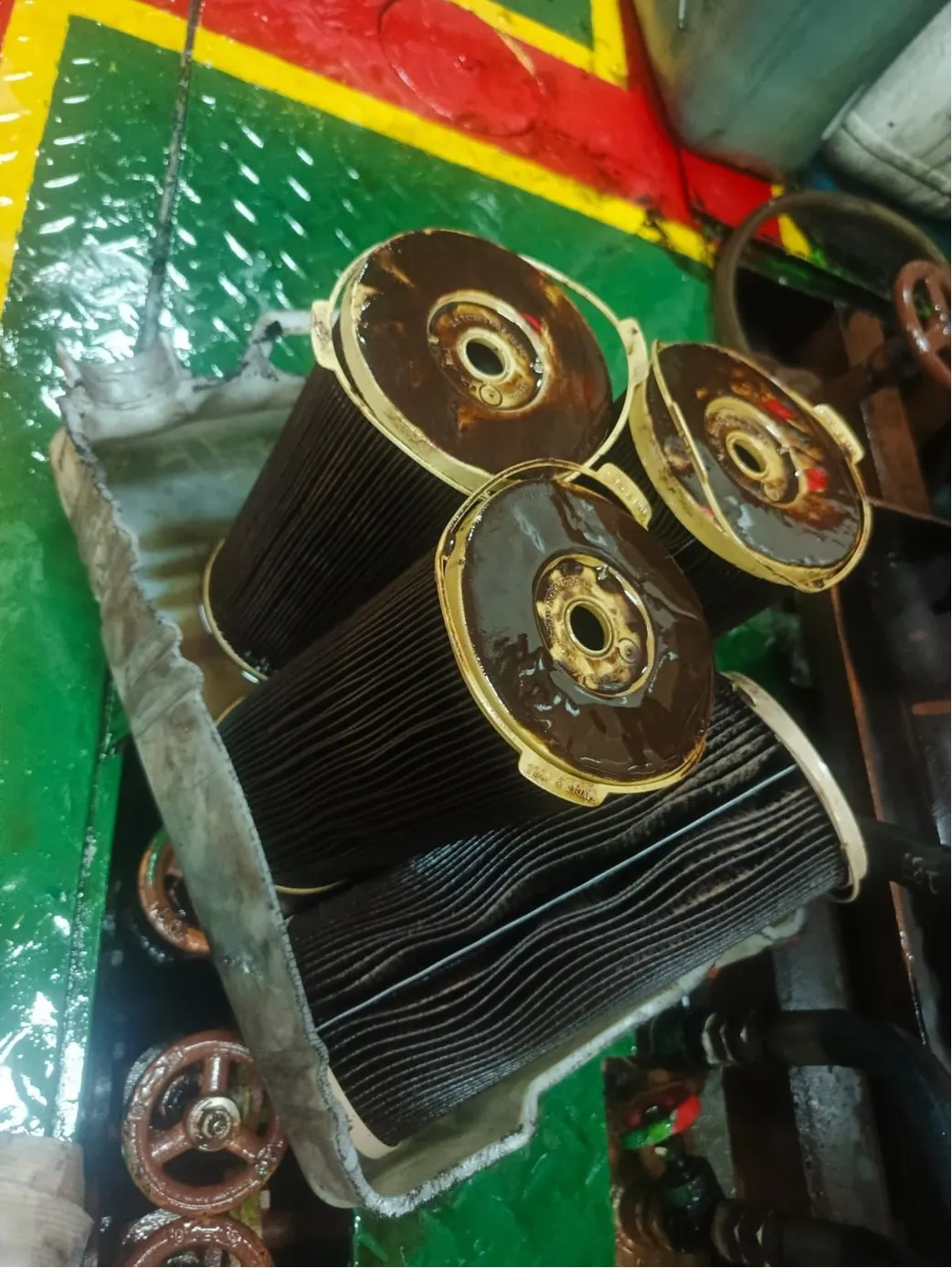
Fuel filters with heavy sludge after 6 days before additive use
Before additive Day 6 replacement Heavy sludge and dark filter loading forced a short service interval.
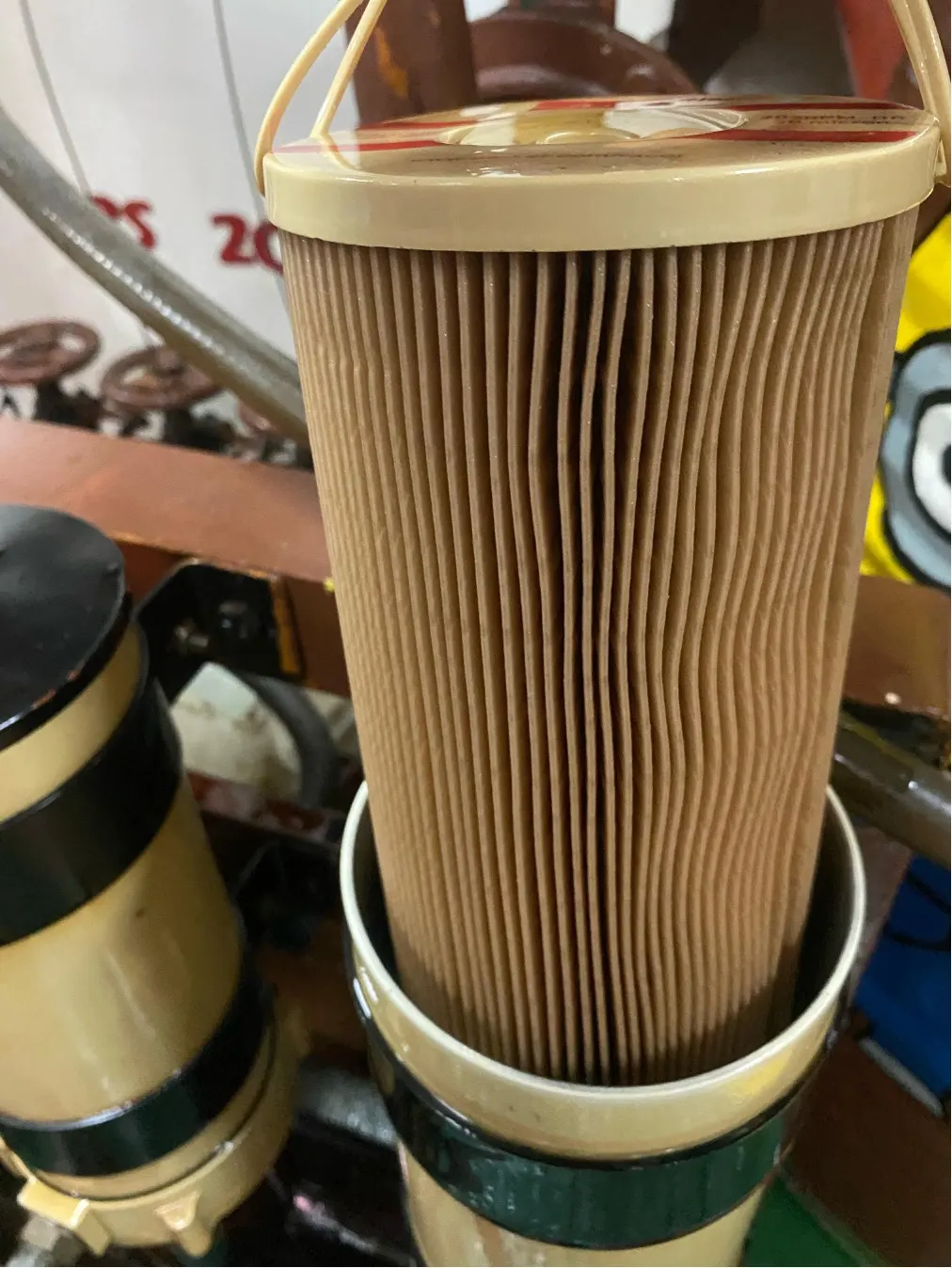
Fuel filter still clean after 14 days with additive treatment
With additive Day 14 inspection Filter remained visibly clean with no thick sludge build-up.
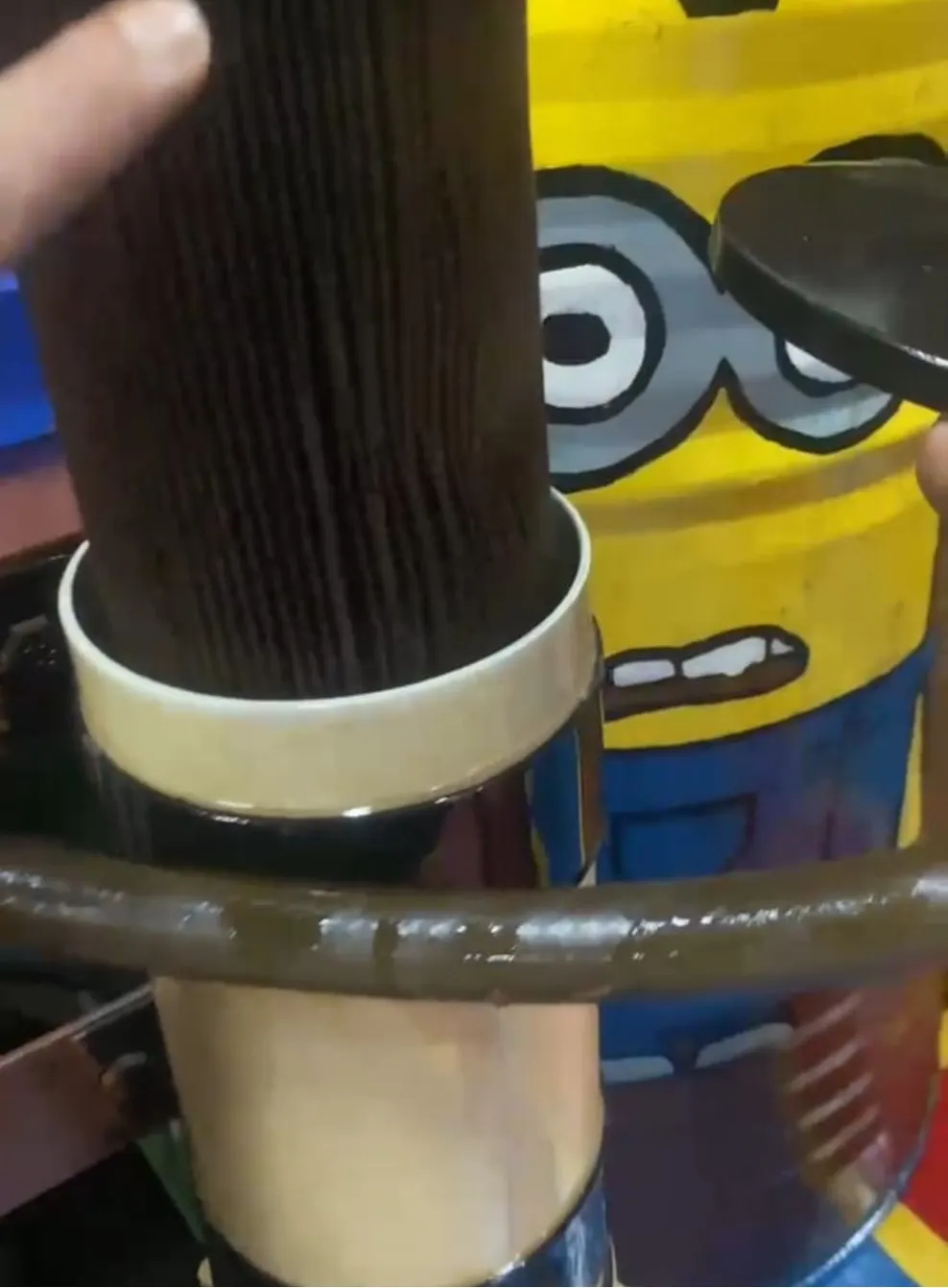
Fuel filter at final change after 32 days with no visible thick sludge
With additive Day 32 final change Final change occurred at day 32, still without visible thick sludge.
6 daysPrevious filter life
14 daysClean inspection with additive
32 daysFinal change after additive use
5x+Filter interval improvement

Fuel instability turns into operational cost fast.

01

Downtime moved from planned to reactive

Short filter life forced more frequent intervention and made vessel availability harder to plan across a working tug fleet.

02

Waste and consumable cost increased

Heavy sludge meant more filter disposal, more oily waste handling, and higher spare filter consumption.

03

Maintenance exposure increased

Every extra filter change adds engine-room manhours, manual handling, spill potential, and safety exposure.

04

Power performance could become inconsistent

Cleaner filtration supports steadier fuel flow, reducing the risk of restriction-related performance loss during tug operation.

Stabilize the fuel before sludge reaches the filter.

Lamurindo introduced a biodiesel fuel additive program designed for B40 operation in marine service. The aim was to control deposit formation, improve fuel cleanliness, and keep filter loading from becoming the limiting factor in vessel operation.

Instead of treating filter change as a normal cost of B40, the program targeted the failure pattern directly: dark sludge accumulation, short filter life, and unpredictable maintenance interruptions.

Before Reactive filter changes Heavy sludge accumulation forced replacement after 6 days and increased downtime, waste, and manhours.
After Cleaner B40 operation Filter remained clean at day 14 and reached final change at day 32 with no visible thick sludge.

The improvement was measured in days, but the value showed up across the vessel.

Extending filter life from 6 days to 32 days reduced the frequency of maintenance interruptions and gave the customer a cleaner, more predictable way to operate B40 in tug boat service.

Less unplanned downtimeLonger filter life reduces vessel stoppages and helps keep tug schedules more predictable.
Lower waste generationFewer filter changes reduce spent filter disposal and sludge-contaminated waste handling.
Reduced manhours and safety exposureLess frequent engine-room intervention lowers manual handling, spill, and hot-work-area exposure.
More stable fuel deliveryCleaner filters support steadier fuel flow and help protect engine power performance under load.

B40 reliability depends on what happens before the filter plugs.

Lamurindo helps marine and industrial operators diagnose filter blocking, select the right additive strategy, and validate improvements under real operating conditions.

Review your B40 filter issue →